Six ways in
Ways we can work together
In person & online
Individual therapy
One-to-one sessions shaped around what you bring, in whichever creative or verbal form fits.
In person
Group therapy
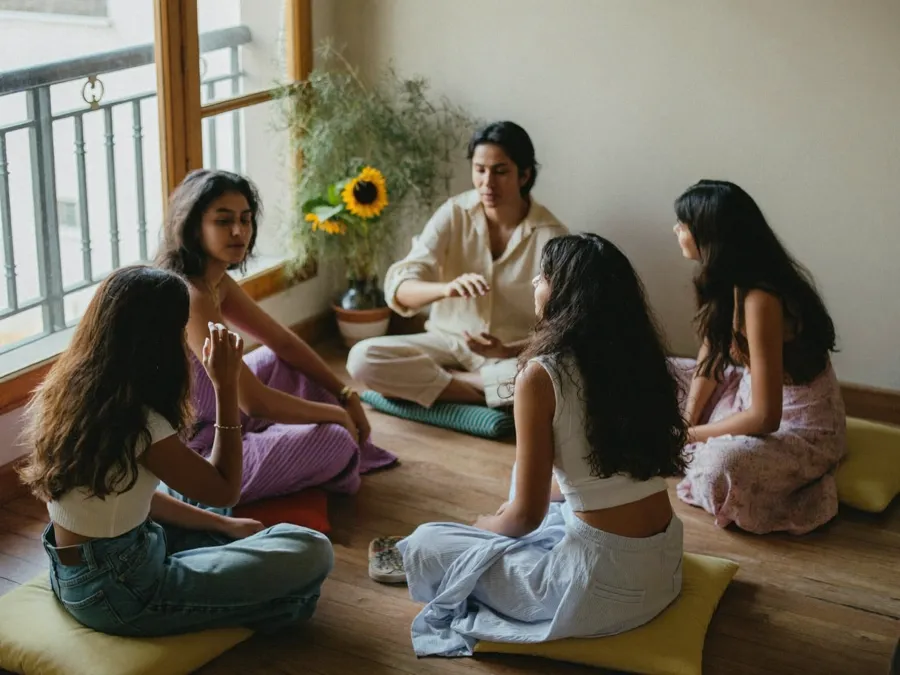
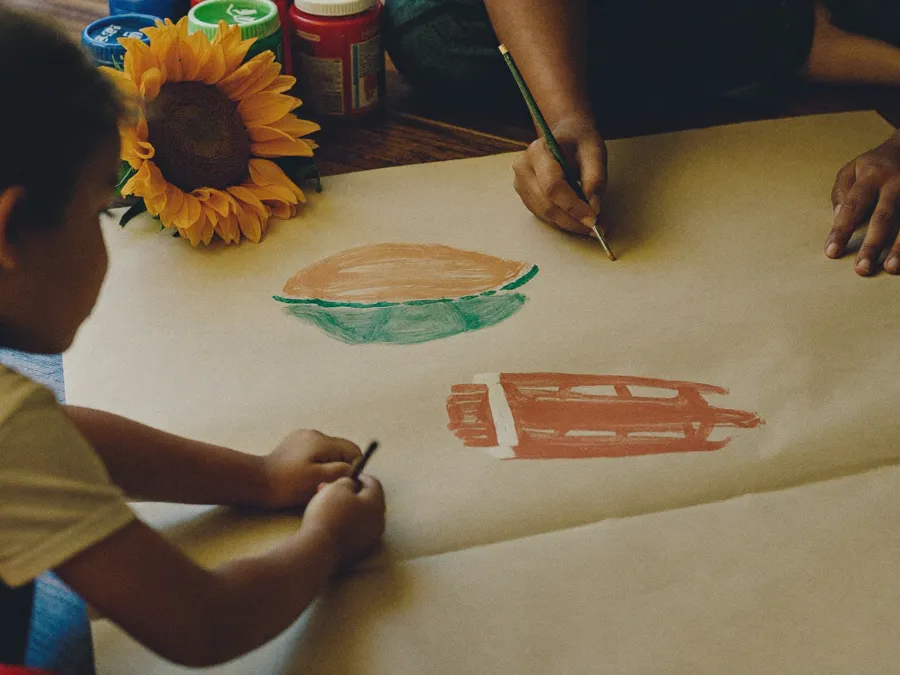
Small closed groups working through movement, art, music and drama alongside others.
In person
Children & families
Play, movement and art for children, with parents involved in the way that helps most.
In person & online
Clinical supervision
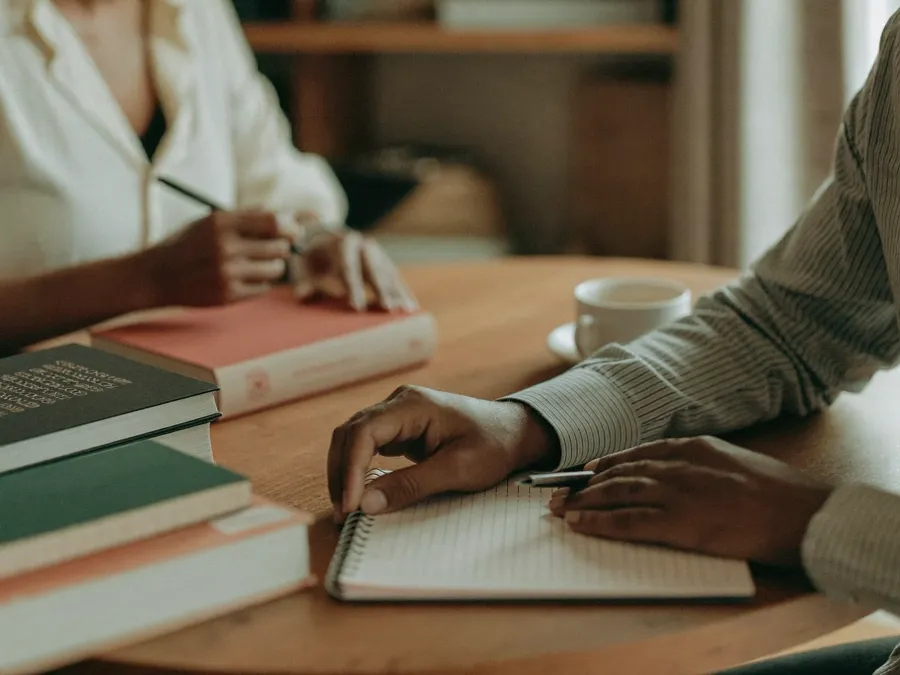
Reflective space for therapists, counsellors and practitioners to bring their clinical work.
In person & online
Workshops & CPD
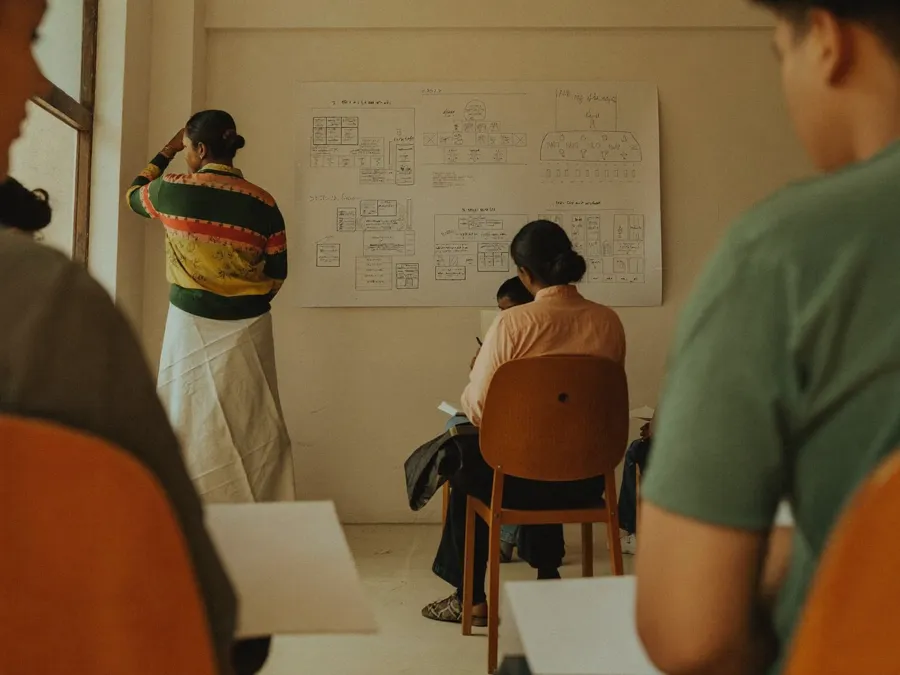
Teaching sessions for practitioners, trainees, students and schools.
In person & online
Corporate workshops
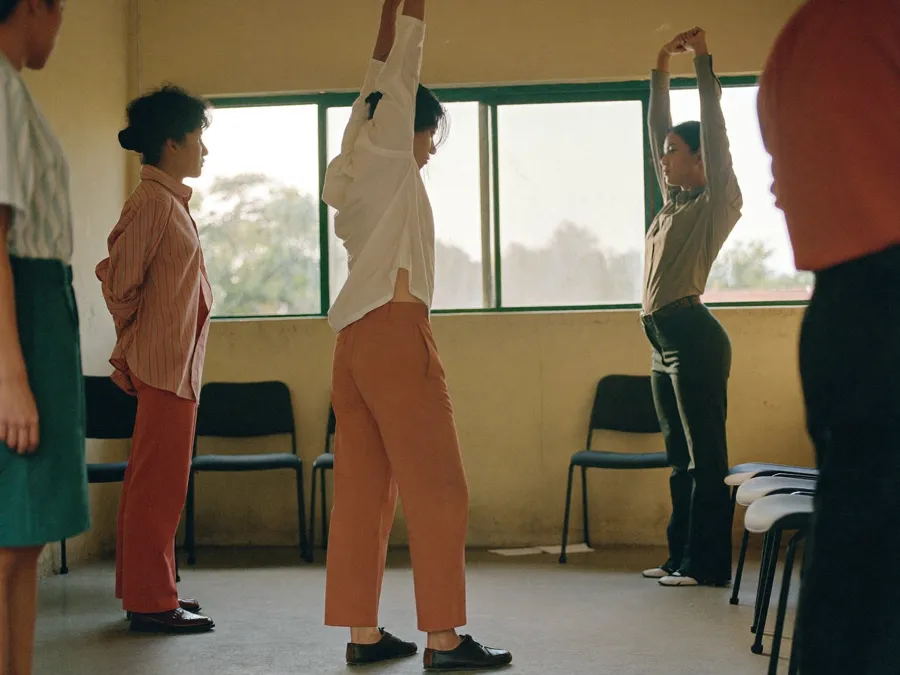
Sessions for workplaces on emotional wellbeing, using the body and creative practice.
What actually happens
Your first session, step by step
01
Arrive
We talk. You get a feel for the room.
02
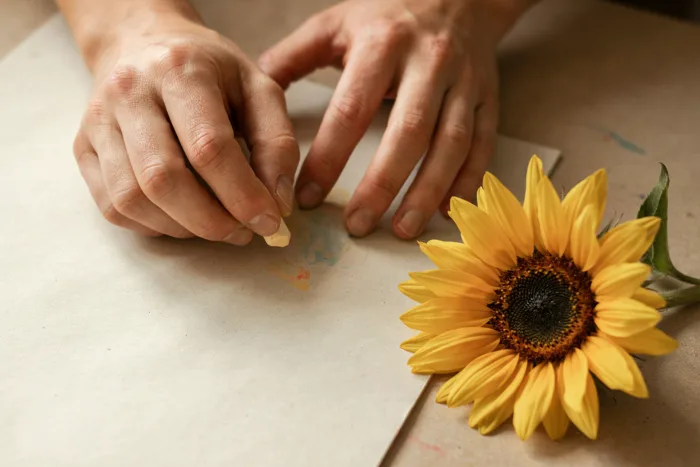
Warm up
Gentle movement, sound or colour.
03

Express
With your body, a brush or a drum.
04
Reflect
Words for what came up, if you want.
Questions we hear
What actually happens?
Clear answers to the questions we hear every day. If yours isn’t here, just ask.
What happens in the first session?
The first session is a conversation. We talk about what brings you here and what you hope for, and you get a feel for the room and the way we work. There is no expectation to move, draw or perform.
Who is present?
For adults, it is you and the therapist. For children, parents usually join the first meeting, and we decide together how involved they will be after that.
How long is a session, and how often?
Sessions usually run weekly. We agree on length and frequency together once we understand what you need.
What are the fees?
Fees depend on the type of session. Get in touch and we will share current fees and payment options.
Is it confidential?
Yes. What you share stays between you and your therapist, within the ethical limits of professional practice. These limits are explained clearly in the first session.
Do I need to be a dancer or artist?
No. Creative arts therapy does not need any training or skill. Movement, art, music and drama are simply other ways of expressing what is hard to put into words.
“When you understand yourself, the world begins to make more sense.”